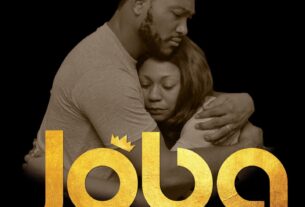
For decades, Nollywood has been Nigeria’s cultural powerhouse, second only to Bollywood and Hollywood in terms of output. But in recent years, a new wave has taken over the industry: YouTube films. What started as a platform for trailers, skits, and music videos has grown into a full-fledged movie hub. Today, some YouTube channels are pulling in millions of views, often outperforming traditional cinema releases.
Why YouTube Films Are Rising
The appeal of YouTube films is simple, accessibility and affordability. Unlike cinema tickets or paid streaming platforms like Netflix and Prime Video, YouTube is free. Viewers only need data, and with Nigeria’s mobile-first audience, that’s enough. Production houses like Uchenna Mbunabo TV, Soul Mate Studio, and Rok have capitalized on this shift, consistently releasing full-length films that trend across Africa and the diaspora.
How Celebrities Are Reacting
Not everyone in Nollywood is fully embracing this change. Kanayo O. Kanayo, a Nollywood veteran, has openly cautioned that the industry might lose its depth and quality if it leans too heavily on YouTube actors. He believes star power should come with training and experience, not just views.
(Read more about Kanayo O. Kanayo’s reaction to YouTube casting here)
On the flip side, Yul Edochie praises YouTube for breaking barriers, saying the platform gives young filmmakers the chance to showcase talent without waiting for traditional Nollywood gatekeepers. Similarly, Destiny Etiko, one of the most visible faces on YouTube films, has credited the platform for helping her stay connected with fans while building a global audience.
Zubby Michael, another Nollywood favorite, straddles both worlds. While he recognizes YouTube’s influence, he insists that the big screen still carries prestige and long-term cultural weight.
Meanwhile, Ruth Kadiri has become one of the leading forces of YouTube filmmaking. Her channel consistently releases hit movies, making her not only an actress but also a producer shaping the digital Nollywood landscape. For Omoni Oboli, YouTube offers a creative playground where bold, independent stories can thrive outside the rigid cinema system. Both women represent how actresses are taking control of production and distribution in the digital age.
The Future of Nollywood and YouTube
So, will YouTube films replace Nollywood? The answer may be balance. While Nollywood cinemas and streaming services will always have their place, YouTube has undeniably democratized storytelling. It gives fresh actors and producers the chance to reach millions without the heavy costs of cinema distribution.
Whether critics embrace it or not, one truth is clear: YouTube is no longer just a platform, it is shaping the next chapter of Nollywood storytelling.