Nollywood is experiencing a major creative shift. Many actors are now stepping behind the camera, taking charge of the stories they want to tell. This movement has introduced new techniques, stronger narratives, and a more dynamic filmmaking culture.
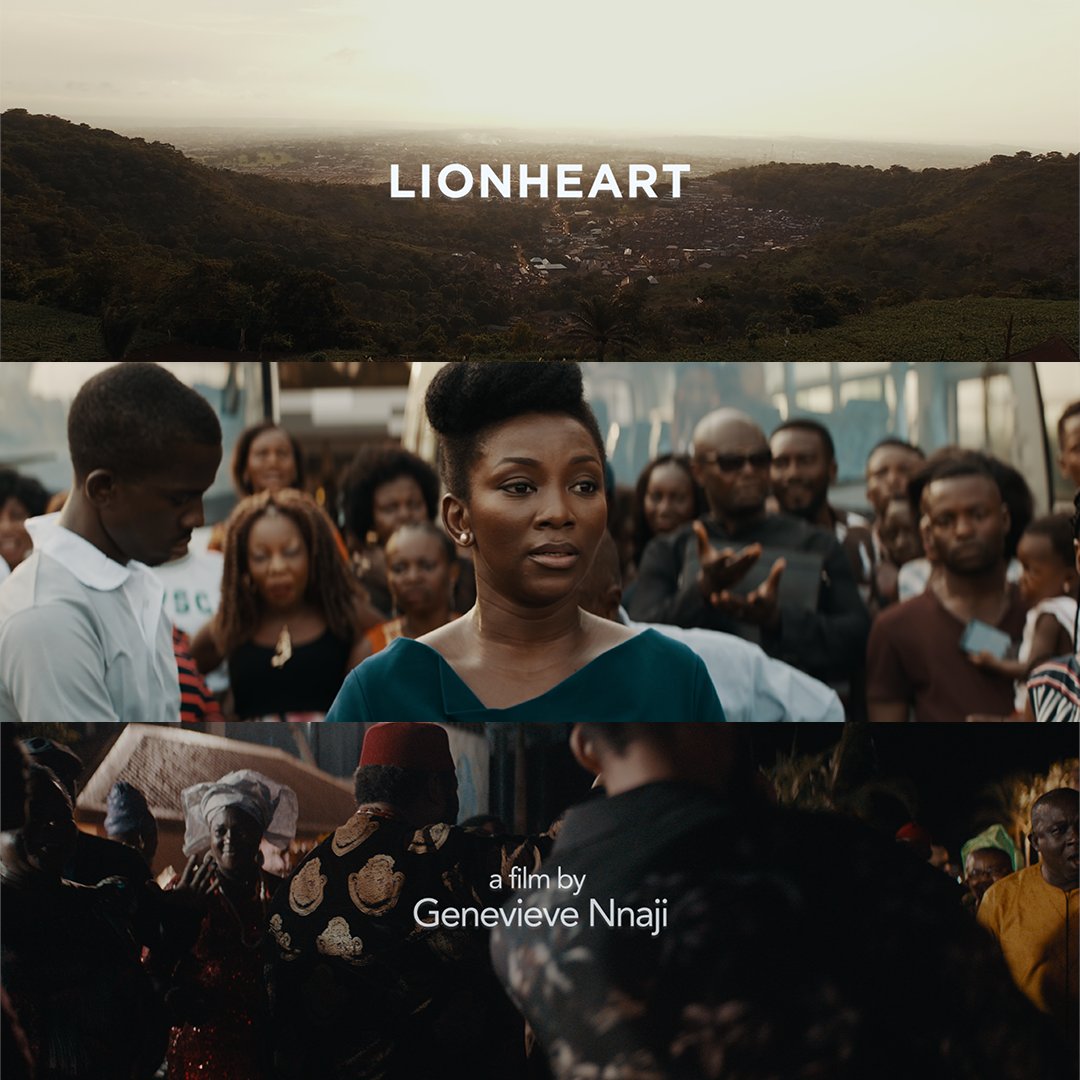
Genevieve Nnaji
After years in front of the camera, Lionheart marked her bold shift into directing. The Netflix-backed project placed Nigerian cinema on the global map. Earlier, Road to Yesterday confirmed her interest in emotional storytelling and independent production.
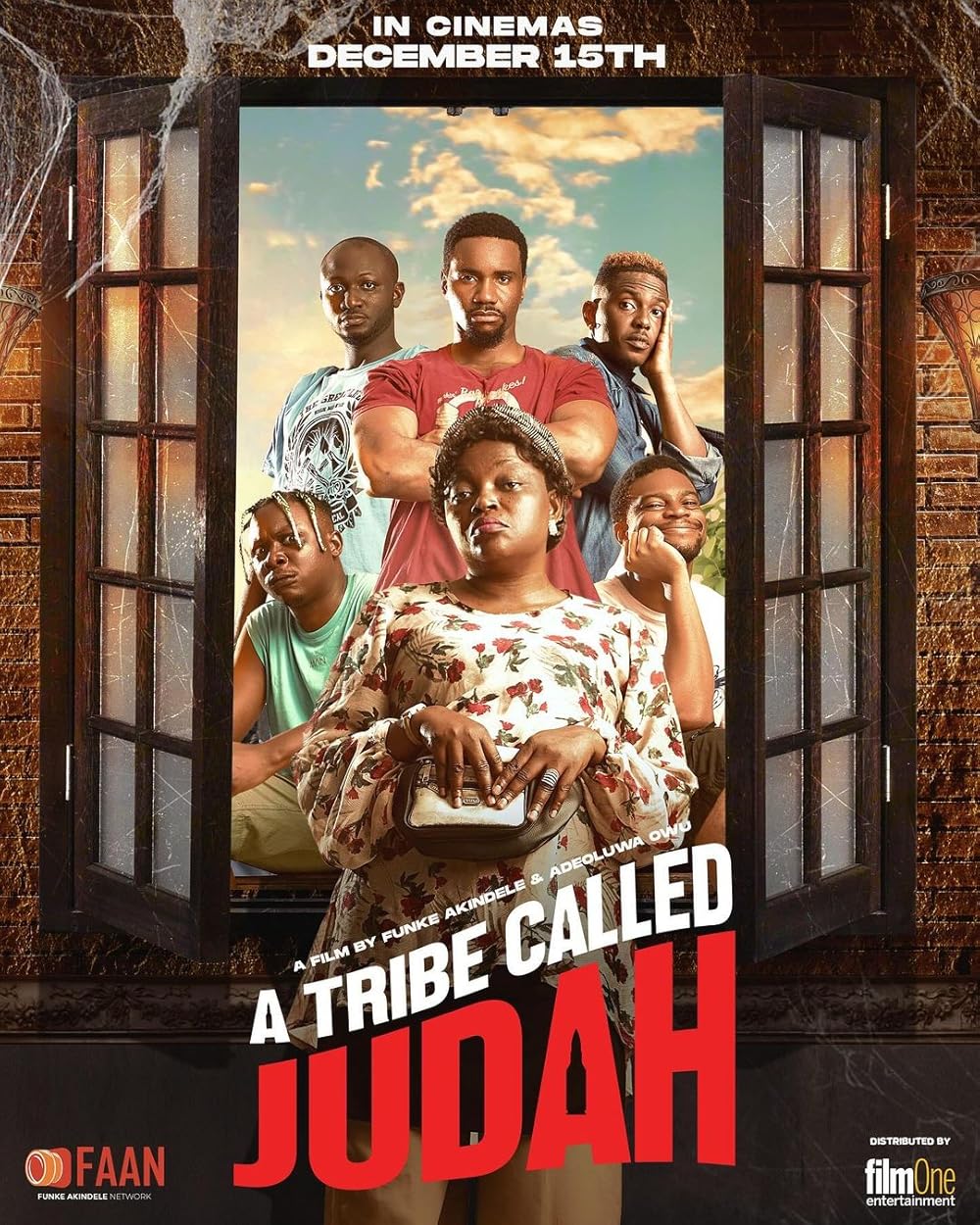
Funke Akindele
Her growth behind the camera changed the structure of commercial Nollywood films. Projects like A Tribe Called Judah and Omo Ghetto: The Saga achieved historic box-office numbers. Her production outfit continues shaping mainstream Nigerian cinema with consistent hits.
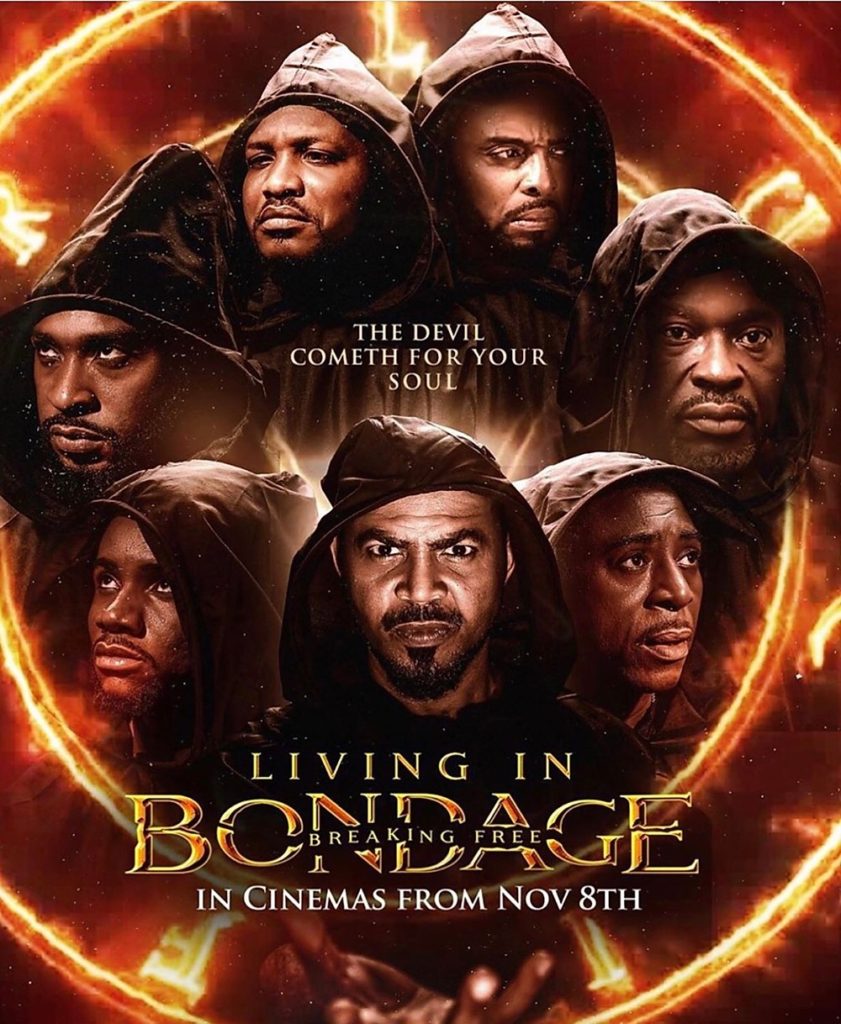
Ramsey Nouah
His directorial debut Living in Bondage: Breaking Free revived a classic franchise and brought modern filmmaking to the forefront. The follow-up, Rattlesnake: The Ahanna Story, expanded his voice as a filmmaker who understands action and drama.
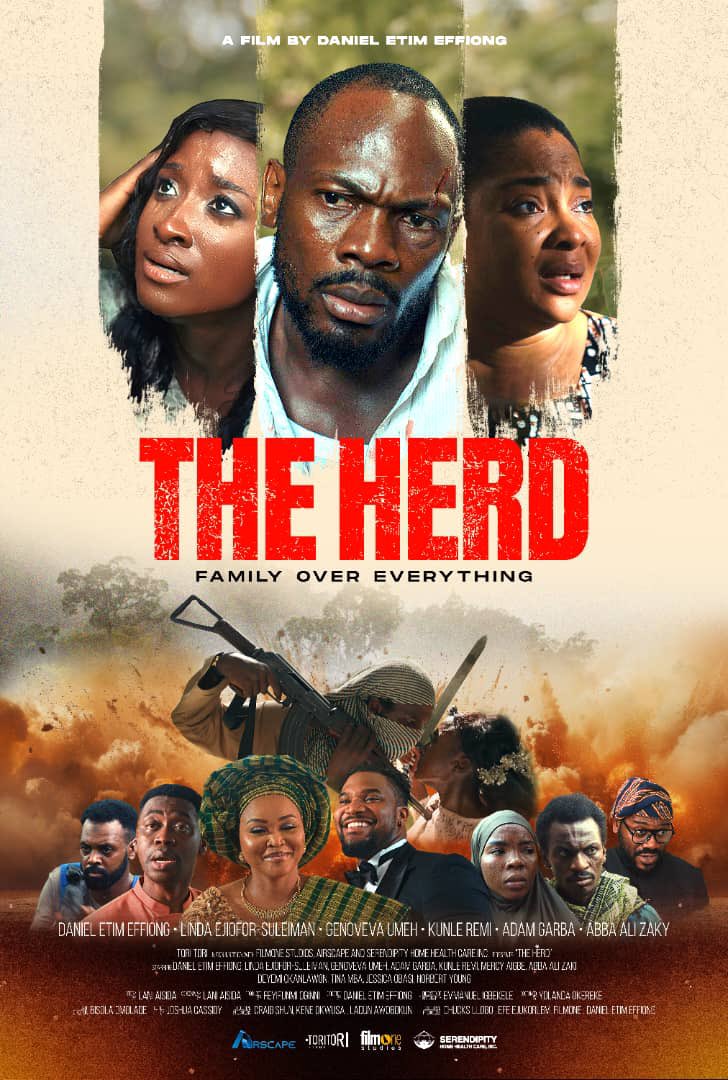
Daniel Etim Effiong
His transition into directing has been deliberate and impactful. The Herd highlighted his growing interest in thrillers and family-driven stories. Earlier, his short films showed a commitment to grounded narratives.
Toby Makinde
His shift behind the camera became clear with No One Has To Know. The film displayed careful storytelling, emotional pacing, and strong scene direction, proving that younger actors are ready to lead major productions.
Omoni Oboli
Her directing journey includes titles like Wives on Strike, Okafor’s Law, and Love Is War. Each project reflects her interest in relevant social issues and family-centered storytelling. Her work continues to influence the structure of modern Nollywood comedies and dramas.

Kunle Afolayan
Though widely known as a filmmaker, he began as an actor before building one of Nollywood’s biggest film brands. His projects consistently travel to international festivals, proving the strength of long-term creative evolution.

Rita Dominic
Through The Audrey Silva Company, her work as a producer has resulted in polished, well-executed films. La Femme Anjola demonstrated the power of actor-led production to elevate genre storytelling in Nigeria.

Why Actors Keep Moving Behind the Camera
Years on set give performers an intimate understanding of emotion, character building, and audience connection. Directing and producing give them full control over these elements, allowing for authentic, intentional, and impactful stories.
From veterans to rising stars, Nollywood actors are redefining filmmaking by stepping behind the camera. Their projects dominate the box office, win festival attention, and influence global streaming platforms. This creative shift is pushing Nigerian cinema into a more confident, innovative, and international era.