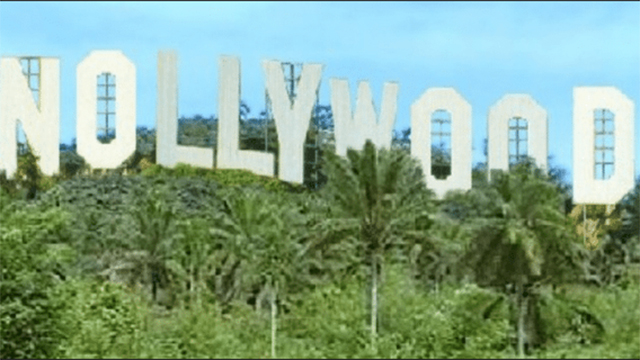
There’s something different happening in Nollywood right now. Walk into any cinema in Lagos, Abuja, or Port Harcourt, and you’ll notice a shift. The days of predictable romantic comedies and formulaic dramas haven’t disappeared, but they now share screen space with something grittier, more urgent, and undeniably real.
Nigerian filmmakers are no longer shying away from difficult conversations. They are confronting corruption, police brutality, economic inequality, gender-based violence, and survival in a system that often feels rigged against ordinary people.
The New Wave of Unflinching Cinema
Films like The Milkmaid (2020) and Eyimofe (This Is My Desire) (2020) show how Nollywood is embracing uncomfortable truths. The Milkmaid humanizes life under Boko Haram through the eyes of a young Fulani woman, earning Nigeria its first Oscar nomination for Best International Feature. Eyimofe strips away romantic notions of migration, exposing the exhausting gap between aspiration and reality. These films prove that authentic storytelling resonates both locally and globally.
Confronting Power and Its Abuses
Police brutality and corruption remain urgent themes. The lived experiences that fueled the #EndSARS movement continue to inspire filmmakers. Landline (2025) uses a time-loop narrative to interrogate political and bureaucratic failures, serving as a metaphor for collective trauma.
Kunle Afolayan’s Citation (2020) tackles sexual harassment in academia, while Kemi Adetiba’s King of Boys (2018) dissects the ecosystem of corruption; politicians, elites, cultists, and ordinary citizens caught in the web. These films don’t just entertain; they demand accountability.
The Economics of Survival
Economic hardship threads through nearly every Nollywood production. Living in Bondage: Breaking Free (2019) critiques ritual wealth in an era of Instagram “fake life.” Gangs of Lagos (2023) plunges into the violent world of area boys, asking what happens when legitimate paths to success are blocked.
Recent films like A Green Fever (2024) and Afamefuna: An Nwa Boi Story (2024) explore corruption, survival, and Igbo apprenticeship systems. Together, they highlight how desperation and exploitation shape Nigerian society.
Gender, Identity, and Breaking Boundaries
Female filmmakers are pushing boundaries with bold narratives. A Night in 2005 (2024) tackles sexual assault and accountability, aligning with Nigeria’s MeToo moment. With Difficulty Comes Ease (2024) presents the rare perspective of an Igbo Muslim widow navigating grief and resilience.
Meanwhile, Farmer’s Bride (2024) explores forced marriage and patriarchal customs in 1980s Ibadan, showing how traditions trap women in cycles of tragedy. These films confront gendered violence with honesty and courage.
Why This Matters
This shift matters because art shapes how we see ourselves. By tackling corruption, inequality, and abuse, Nollywood creates a historical record and gives voice to frustrations that might otherwise remain unspoken. These films counter the single story of “poverty porn” by showing resilience, agency, and complexities.
The Road Ahead
Bold storytelling requires bold financing. Nollywood still faces limited budgets, distribution challenges, and audiences who sometimes prefer escapism. The streaming slowdown of 2025 forced filmmakers to adapt, turning to YouTube or returning to theatrical releases.
Yet audiences are proving they will support socially conscious films. Everybody Loves Jenifa (2024) crossed ₦1 billion domestically, while Queen Lateefah (2024) grossed ₦57 million in its opening weekend. Even historical dramas like Seven Doors (2024) and Funmilayo Ransome-Kuti (2024) use the past to illuminate present struggles.
Conclusion
Nollywood is growing up. The industry is learning that filmmakers don’t have to choose between commercial success and artistic integrity. The best new Nigerian films grip audiences with compelling narratives while forcing them to confront the society that shaped those stories.
This is Nollywood’s most exciting era yet,not because the stories are easy, but because they are hard. These filmmakers are holding up a mirror to Nigeria, and while the reflection isn’t always flattering, it is undeniably real. That reality, however harsh, is the strongest foundation for meaningful art.